Early Education
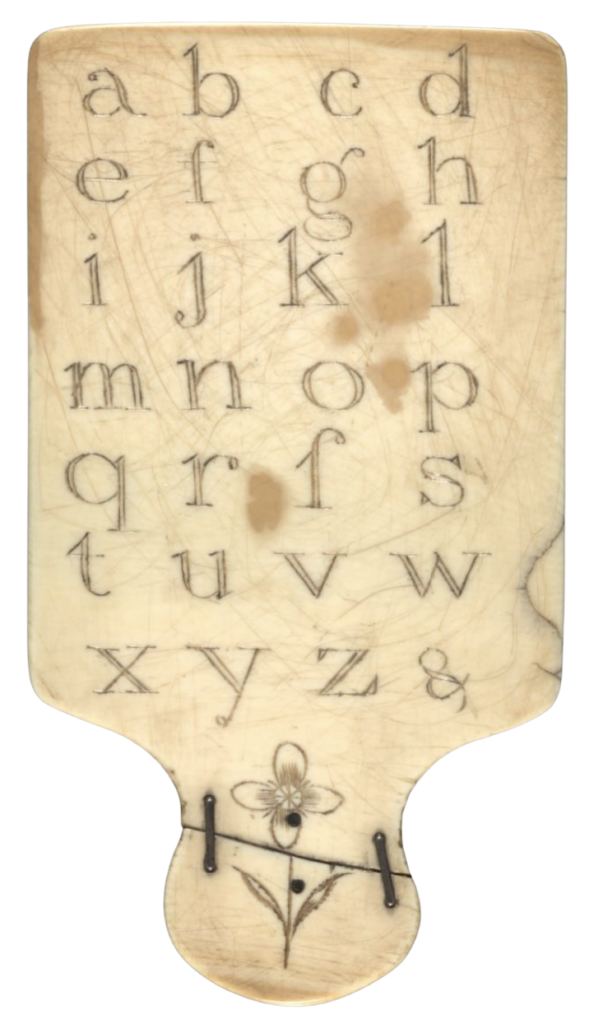
Despite his affluent upbringing, little is known about Isaac’s early education. Children on Virginia’s frontier were either taught at home, attended a nearby school run by a clergyman, or studied with a private tutor if their families could afford one. Because of the Hite’s growing wealth, Isaac may have been taught by a private tutor, learning popular subjects like Latin, Greek, reading, writing, mathematics, and geography.
Becoming a Young Man & Starting College
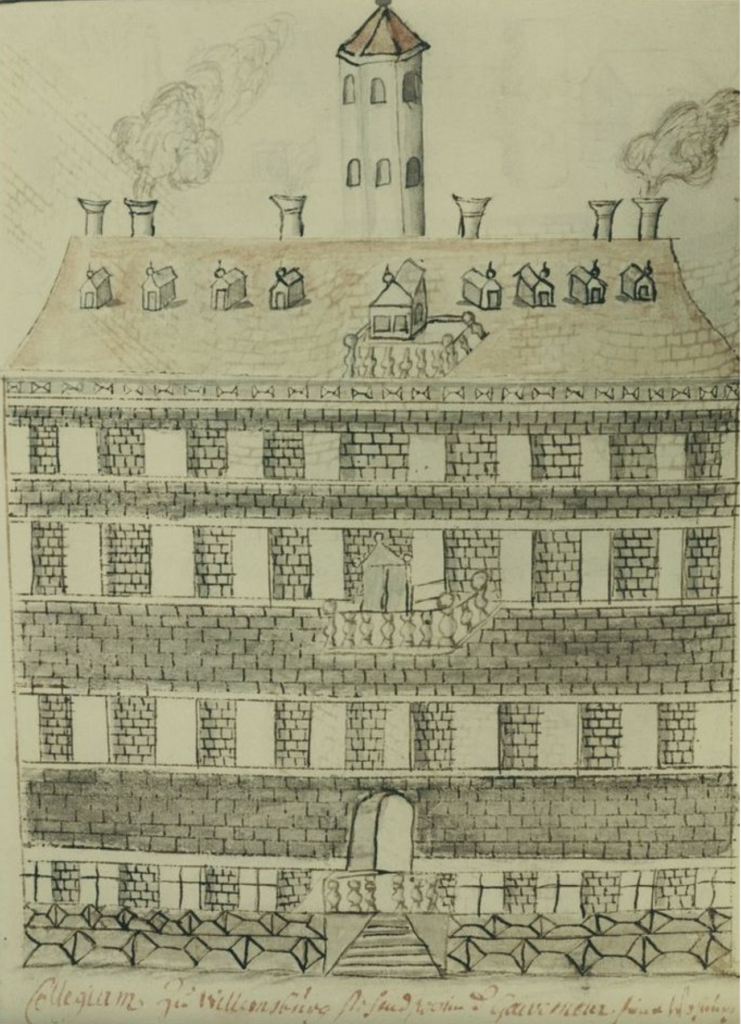
Isaac attended the College of William and Mary, the second oldest college in America founded in 1693. By the 1770s when Isaac was in attendance, the college had three components:
- The Grammar School, which was a sort of prep school, especially for students who would go on to attend the College when they were old enough.
- The Brafferton Indian School to educate and convert American Indians to English customs.
- The College itself consisted of a School of Philosophy and a School of Divinity. There is no indication that Isaac was ever intended for the clergy, so he probably enrolled in the School of Philosophy, which was a four-year program with two professors.
We don’t know when exactly Isaac started his studies, but documentation shows that he was at William and Mary in March 1777 (though likely earlier). Isaac’s time there may have overlapped with that of future president James Monroe, who attended from June 1774 until spring 1776.
Tensions are Escalating, Loyalties are being Tested, & Chaos is Looming
It’s important to understand what was happening around the time Isaac was coming of age and entering his young adulthood.
By the time he begins his studies at William & Mary, tensions are palpable at both the college and in the city of Williamsburg, the capital of Virginia. Tory professors – that is, those who stood with the English crown – and staff were forced out by the Patriot administration. Likewise, students from Tory-leaning households left, and student enrollment plummeted.
In the fall of 1774, there was a lot going on in the background. All eyes were on a lawsuit filed in Martinsburg, Virginia (now West Virginia) by Jacob Hite, Isaac’s paternal uncle, who challenged debt collection by British creditors. Isaac’s first cousin and Jacob Hite’s son, George Hite, was also at William & Mary.
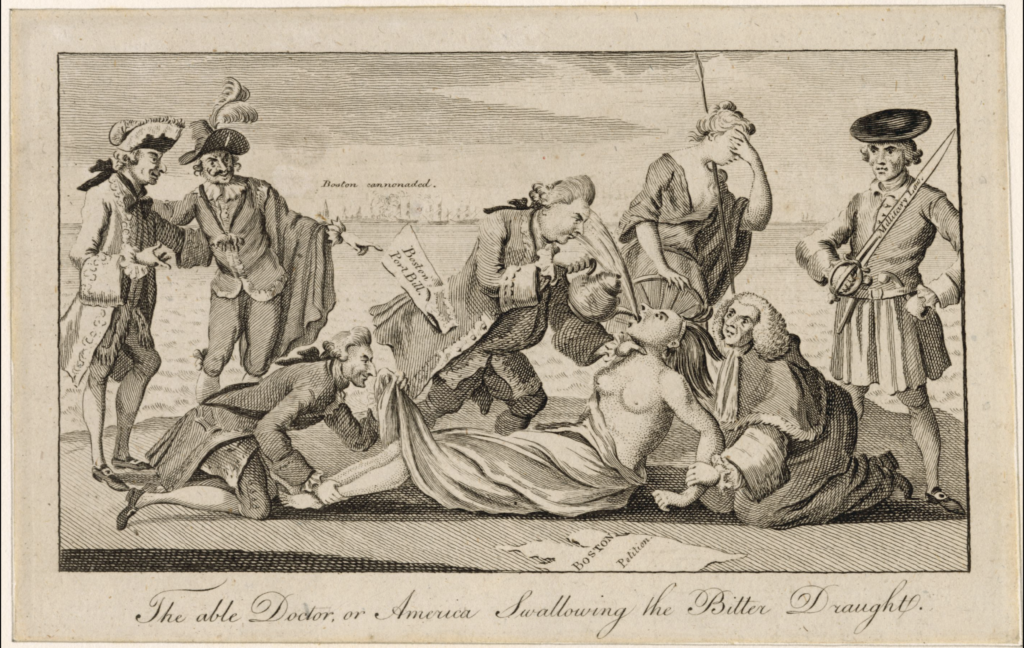
News that the port of Boston had been closed – also known as the British Port Act of 1774 – and the city occupied by British troops, which led to a broad boycott of British goods in response to the greater Coercive (Intolerable) Acts.
Hite’s case, followed by a local jury’s refusal to hear creditor demands, helped fuel a wider boycott of creditor cases across Virginia. Many Virginia landowners believed that the credit system supporting land speculation was rigged against them.
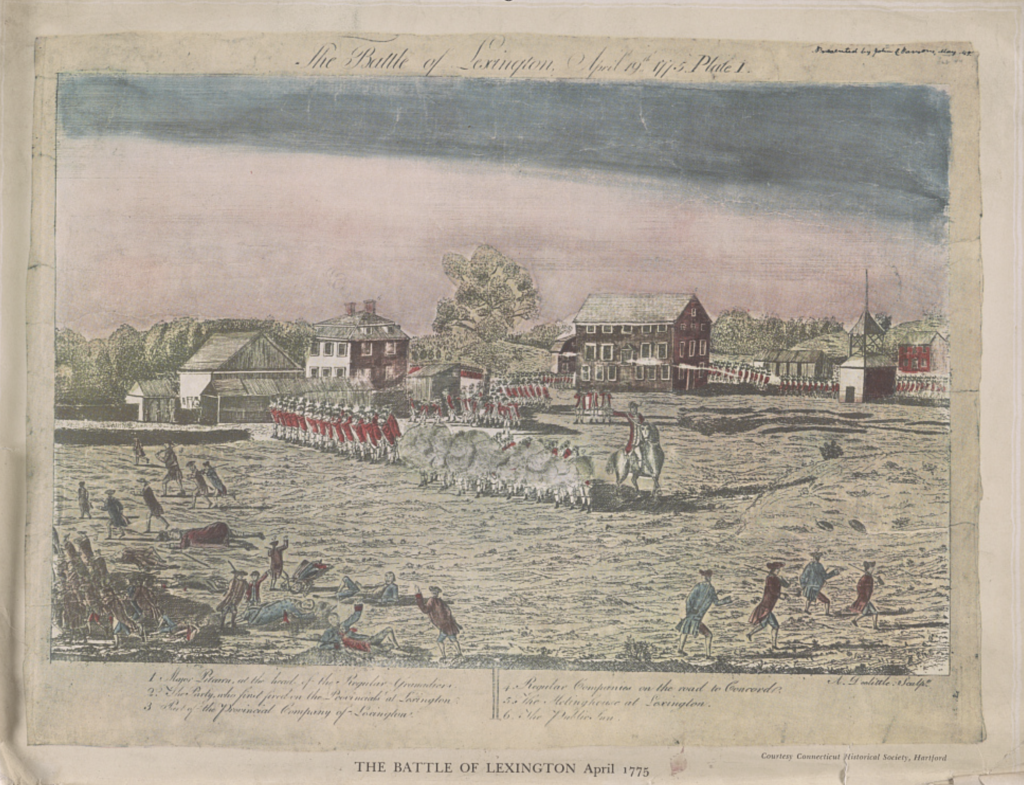
On April 20, 1775—the day after The Battles of Lexington and Concord—John Murray, the Earl of Dunmore and Virginia’s Royal Governor, tried to remove gunpowder from the public magazine on Duke of Gloucester Street in Williamsburg. The political crisis was quickly becoming a military one.
Meanwhile, at William & Mary, Patrick Henry set up the College Camp on campus in September 1775 where the Virginia militia trained in what is now called the Sunken Garden.
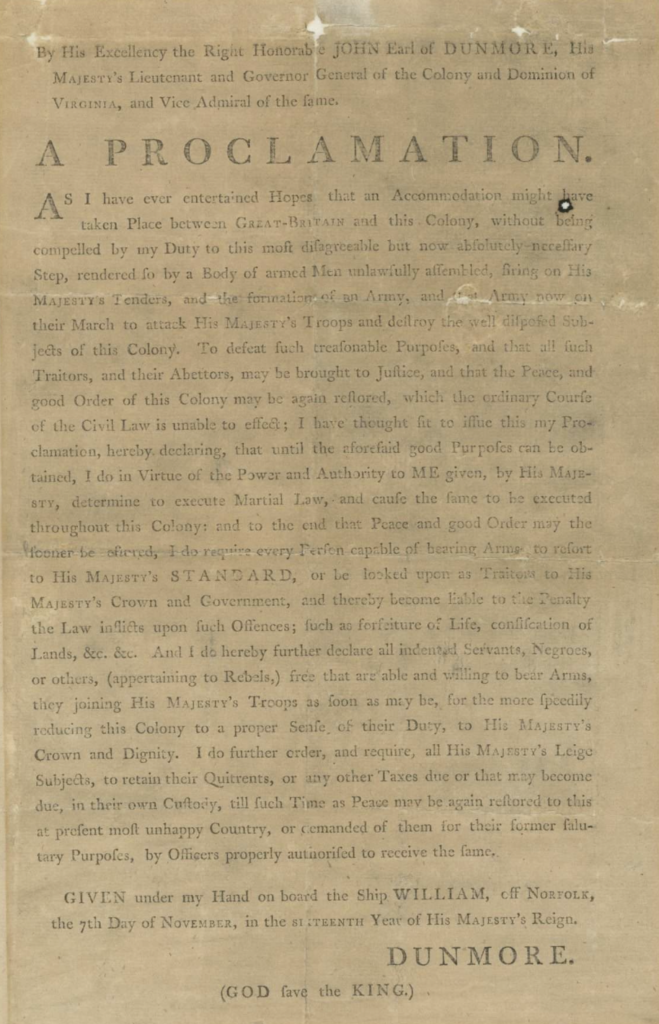
Tensions continued to escalate and by November 1775, Colonial Governor Lord Dunmore called on enslaved people and American Indians to join the British against the rebel colonists in exchange for their freedom (known as Lord Dunmore’s Proclamation).
That same month, John Bracken, a fervent patriot and rector of the Bruton Parish Episcopal Church, became the grammar-school master at the College.
Needless to say, Isaac entered his young adulthood during an incredibly tumultuous historical moment while also attending a college that was at the forefront of the conflict.
Committees of Safety (1774-1776)
In response to the Coercive (Intolerable) Acts, the First Continental Congress formed the Continental Association on October 20, 1774 that launched a series of economic boycotts against Britain. The colonies halted imports of and exports to Britain, as well as limited – if not altogether eliminated – consumption of British goods.
What started as a protest driven by a list of grievances turned into thoughtfully created and increasingly powerful committees across the colonies that served as local governments resisting royal authority.
The Committee of Safety was officially established in July 1775 and was presided over by Edmund Pendleton of Caroline County. These local 11-man committees of safety had great power and responsibility, commanding militia forces, raising money to support the resistance, enforcing the ongoing boycott of British goods, and surveilling loyalists.
These committees of prominent local leaders helped reign in chaos and create order across the Commonwealth and ultimately paved the way for official state governments to form. As a wealthy land and property owner, records show that Isaac Hite Sr. (1721-1795) supported the revolutionary causes and served on Frederick County’s Committee of Safety.
Phi Beta Kappa: “Love of Learning is the Guide to Life”
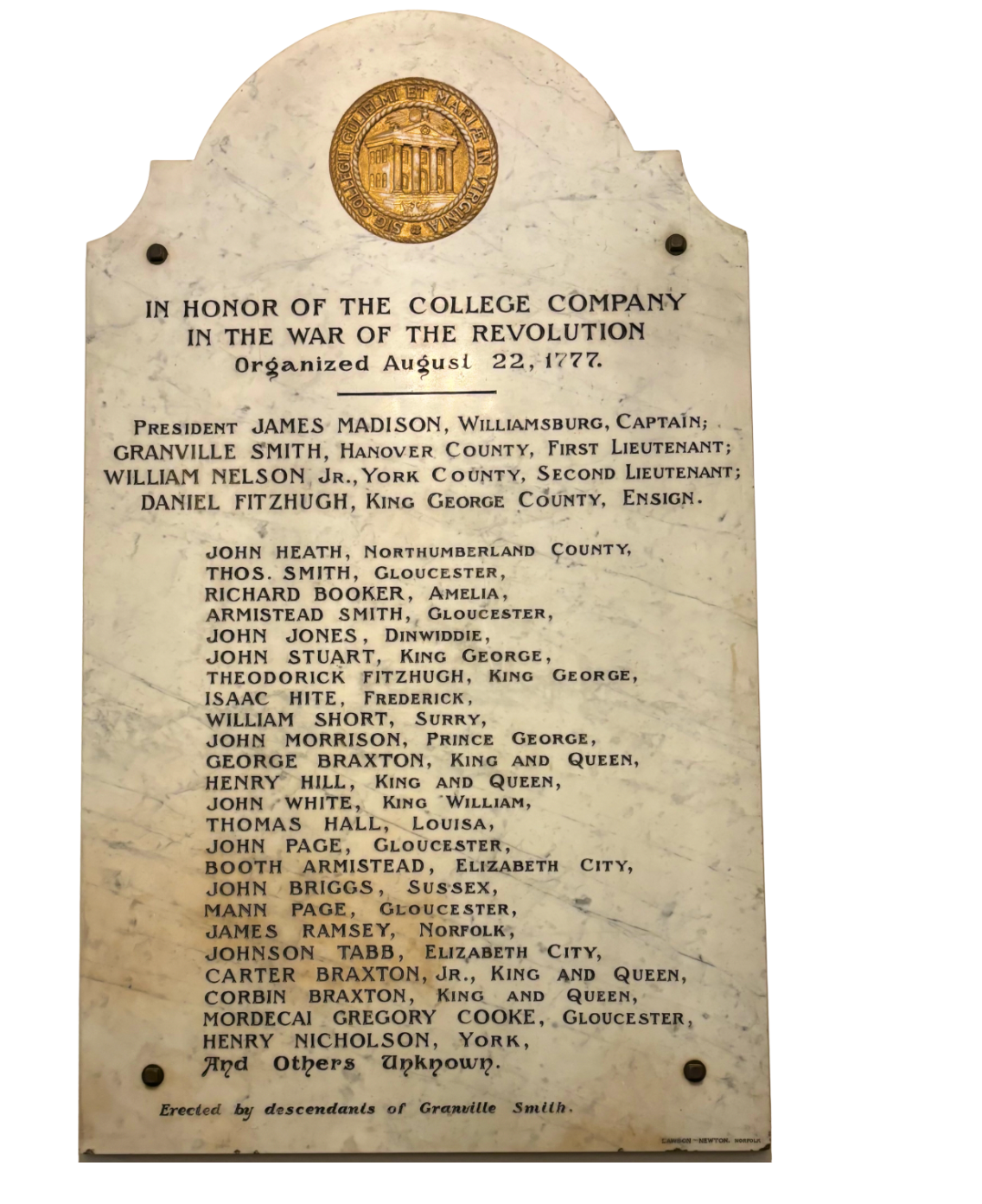
the College Militia during the American Revolution
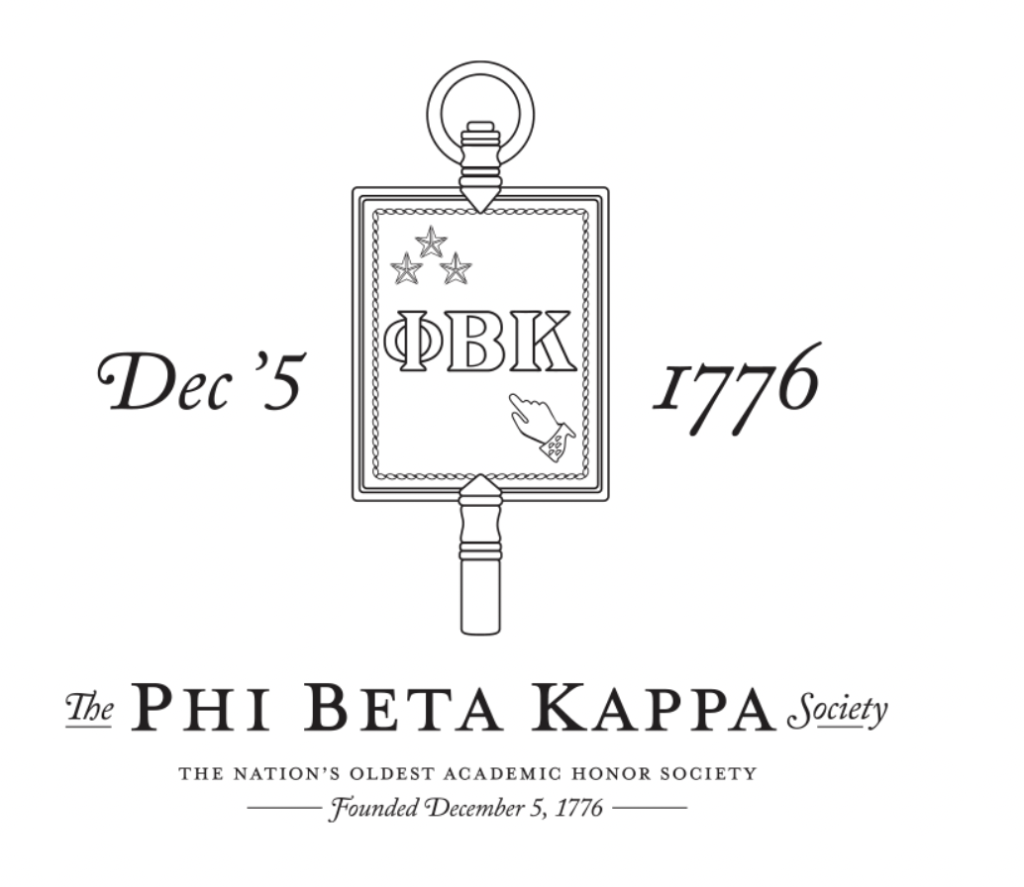
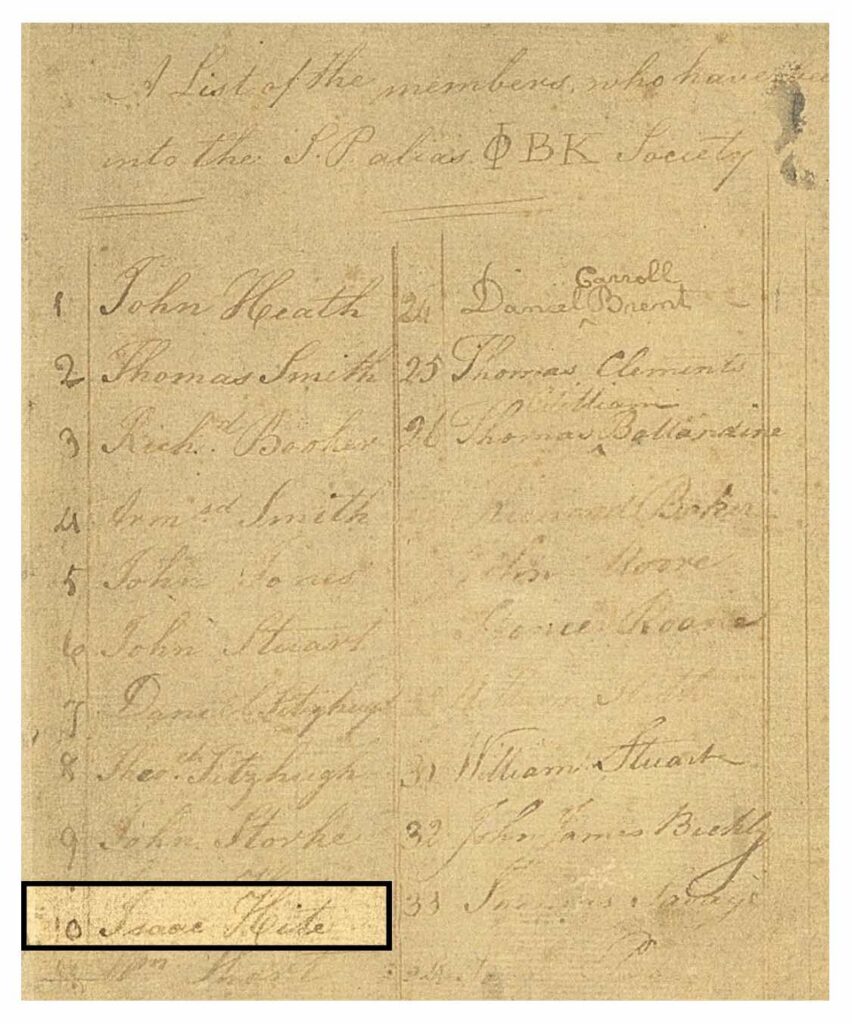
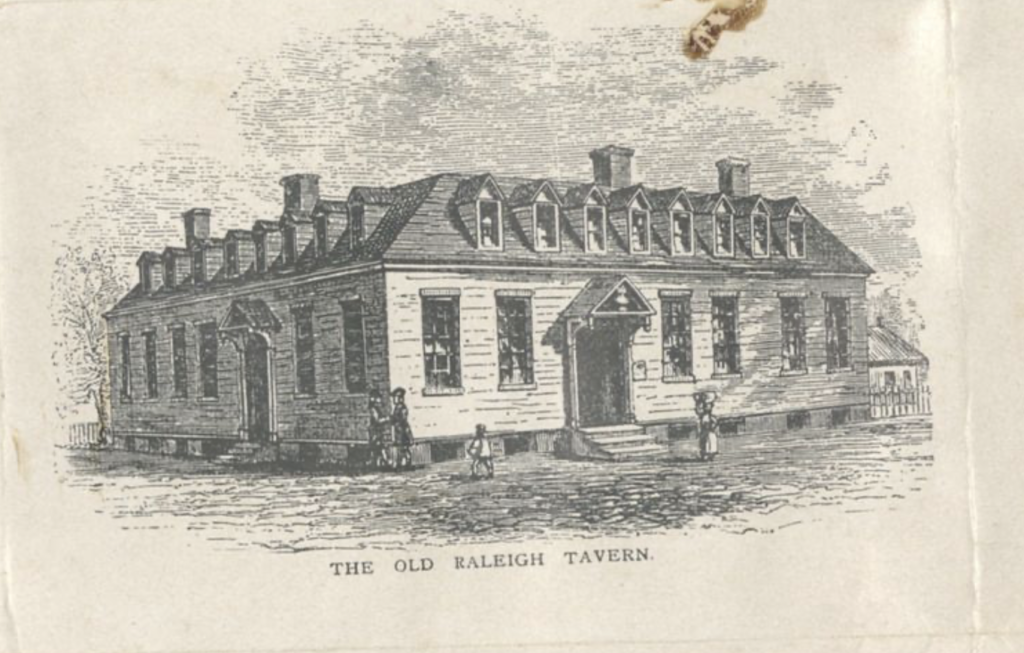
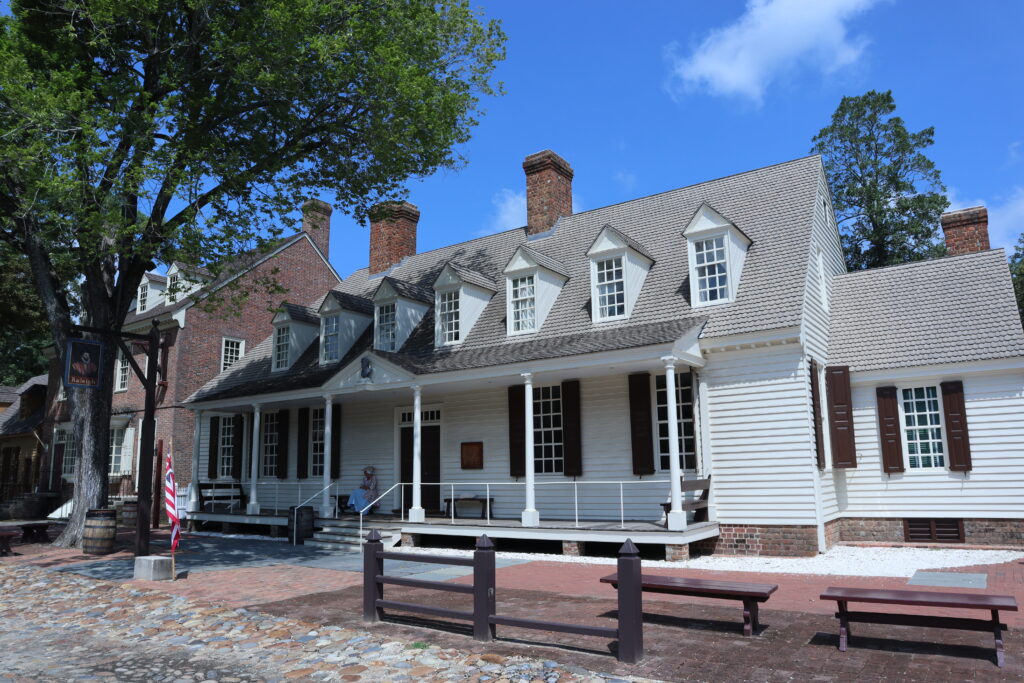
On December 5, 1776, five students gathered at William & Mary to form Phi Beta Kappa. Members pledged mutual aid in times of distress and met to debate history, morality, and political conduct. They were also “not adverse to jollity and mirth,” especially at the fraternity’s annual celebration at Raleigh’s Tavern. More than 50 members would be initiated during the next five years.
Isaac was the first member admitted after the fraternity’s formation. In June, he became treasurer and held the office until 1779. He was also twice elected temporary president, meaning he presided when the president was absent.
On August 22, 1777, Isaac joined the College Company, a military unit captained by the Reverend James Madison. A plaque commemorating the company is displayed at the Wren Building today.
Washington had called up Virginia volunteers in January 1777, and the College Company continued militia training on campus while Isaac balanced military preparation, studies, and fraternity life.
Isaac served as Treasurer in his fraternity until he resigned from college in 1779 and enlisted in the 2nd Virginia Regiment in July 1780. Just two years after leaving William & Mary, the college was forced to close because British forces invaded the region.
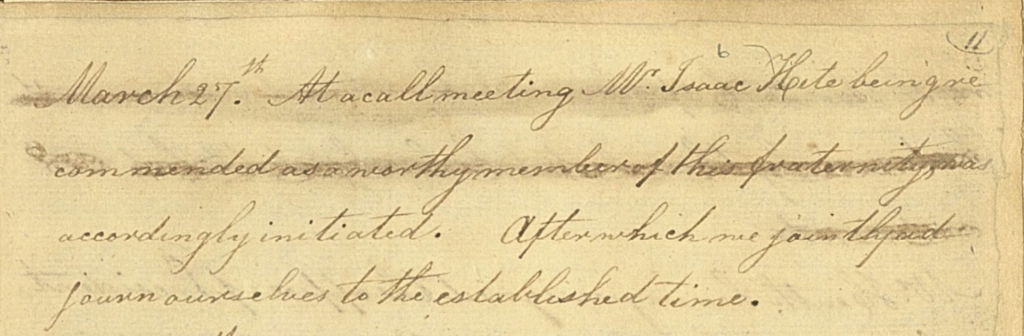
Credit William & Mary Libraries
Did you know?
The Phi Beta Kappa Society was formed in the Apollo Room of the Raleigh Tavern in Williamsburg, Virginia and is the oldest academic honor society in the United States.
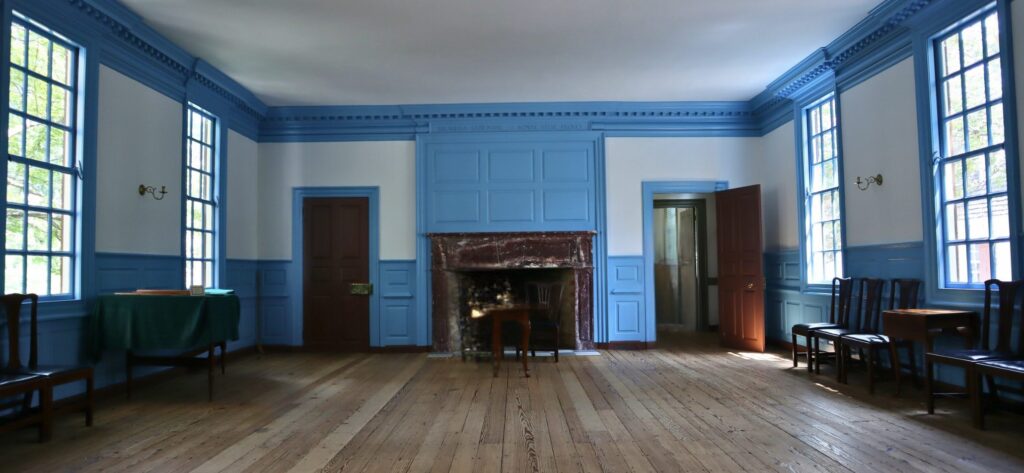
Credit Jessica Pritchard-Ritter
Credit Library of Congress
Public Domain via Wikimedia
Credit The New York Public Library
Credit Library of Congress
Credit Library of Virginia
Credit William & Mary Libraries
Credit Jessica Pritchard-Ritter